Cushion
What terry cushion costs you inside a boot
Terry cushion softens a shift on concrete, but the yarn takes space. Here is what happens when you put a heavy loop bed into a close boot.
Where the volume inside the shoe goes
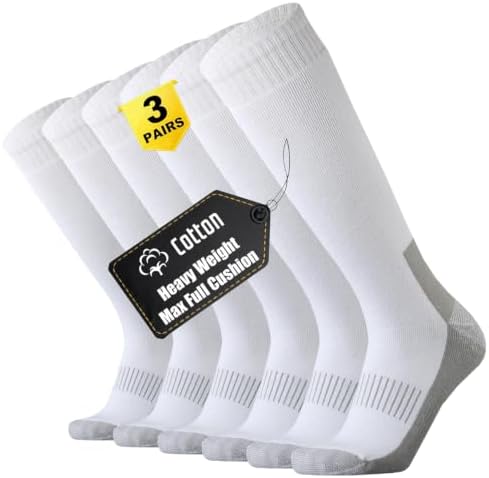
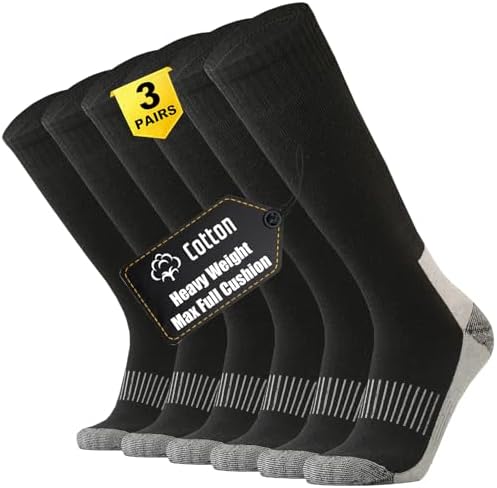
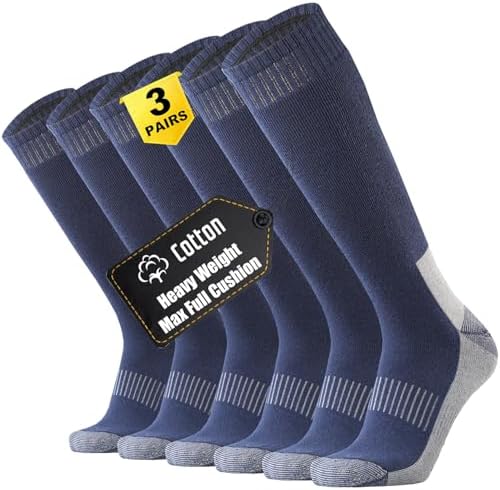
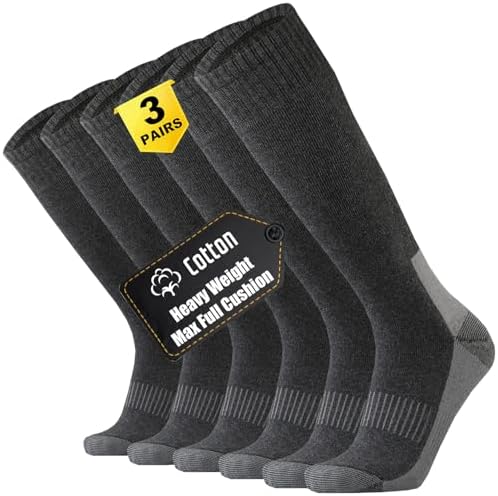
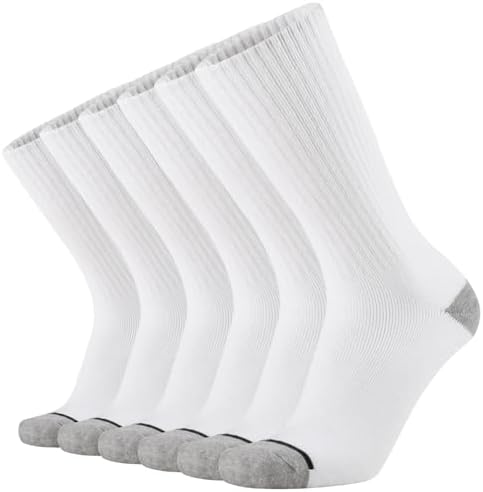
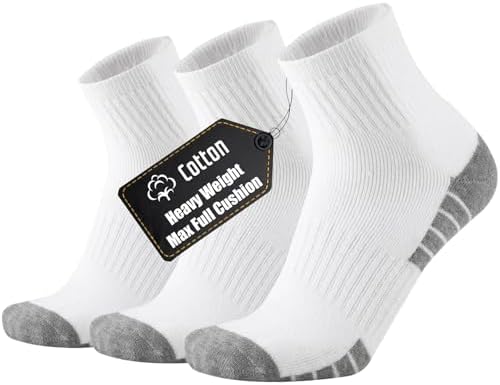
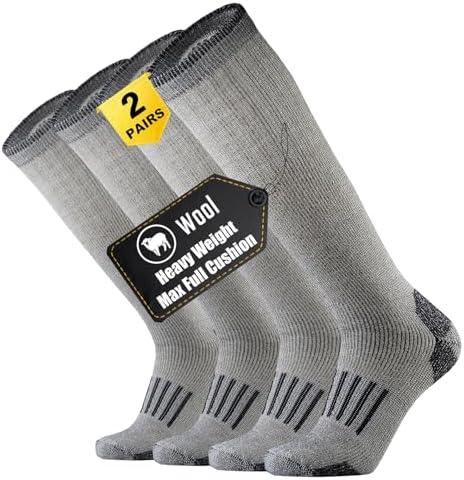
We build our socks with upright yarn loops under the sole, around the heel pocket, and across the toe cap. That loop bed creates a deep pad that absorbs force when you walk across cold slabs or hard ground. Every one of our 45 colourways uses this heavy cushion construction. That extra yarn takes physical space inside the footwear, which changes the fit against your foot.
A shoe that sits snug with a thin dress liner will feel narrow and stiff when you pull on a heavy loop cushion. The knit compresses under body weight, but it never packs down to zero thickness. If your leather boots have no spare volume across the instep or through the toe box, a dense cushion sock will pinch.
Why dense yarn loops hold water longer
A loop bed uses considerably more yarn than a flat knit sock. Those extra fibres trap warmth well, but they also capture moisture from sweat or wet grass. A heavy cushion takes longer to dry on the line than a flat sock. It also takes longer to shed dampness after a long day in unvented rubber boots.
If you wash laundry on a quick cycle or hang gear in a cold shed overnight, heavy terry stays damp longer. You need good air movement to dry the heel pocket and the toe fully before you pull them on again for the next morning shift.
Who should look for a different knit
People who wear precision work boots with zero extra width should avoid heavy cushion socks. If your footwear is already tight across the bridge, our padding will press your foot against the upper leather. The fix for that tightness is looser lacing or a thinner flat sock, not forcing your feet into narrow spaces.
Dress shoes, narrow trail runners, and tailored slip-on work shoes do not pair well with dense terry. We put 170 pairs across our full range into heavy loop construction, meaning every single option we produce brings real bulk into the footwear. If you need a low-profile liner, our catalogue will be too thick.
Adjusting boot lacing for thick loops
When you change from a plain flat sock to our terry cushion, loosen your boot laces right down to the bottom eyelet before stepping in. That gives the loop bed room to settle without choking the top of your foot. We bundle our socks in sets of 2, 3 or 6, so you can test the fit consistently across the working week.
Once the leather laces sit properly, the heavy loop pile protects your skin from rubbing along stiff boot collars. The cushion belongs under heels that take hard strikes on steel decks, unyielding concrete floors, and rocky switchbacks where room inside the boot is already available.
Heavy terry cushion provides deep padding on concrete, but only when your boot has enough volume to hold the extra yarn.