Fibre
Merino is not always the right answer
Merino wool earns its keep in raw weather, but cotton remains the simpler choice for dry floors and warm shifts. We knit both yarns and look at where each yarn belongs.
Where wool earns its place on the floor
We knit merino wool blend socks for freezing mornings and unheated workspaces. When moisture gathers inside a heavy rubber work boot in February, wool keeps the foot warm instead of clammy. The looped terry sole softens hard concrete steps while trapping air around the skin.
The wool blend works well on cold trail hikes or long winter shifts in drafts. If your boots stay cold all day, wool is worth the extra attention. It handles perspiration under cold leather without going cold to the touch like plain damp cotton often does.
When cotton is the smarter choice
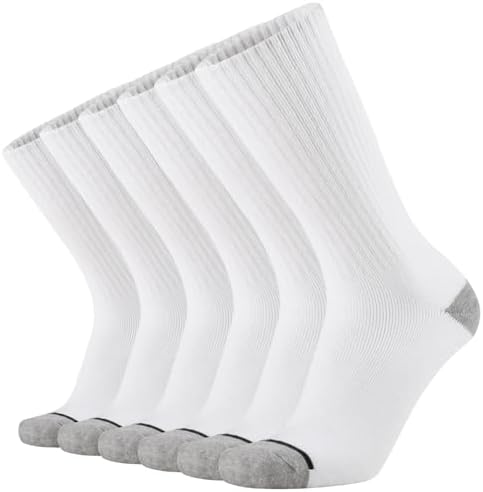
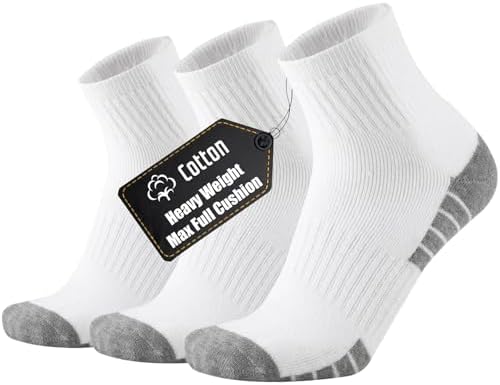
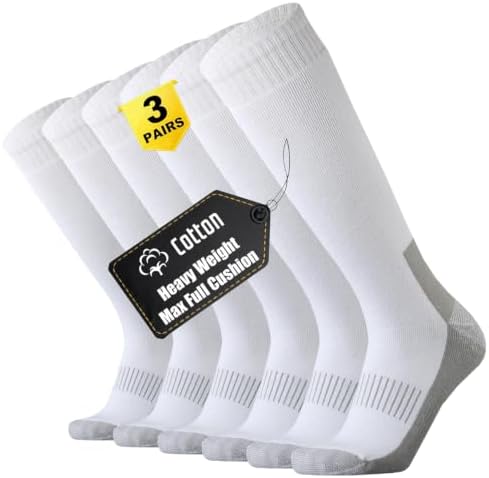
We knit 33 of our listings in a cotton blend with polyester, nylon and spandex. For a heated warehouse or a summer route, wool is simply too warm. The cotton knit breathes naturally on warm afternoons and dries much faster when your feet work hard.
Cotton is also more forgiving on wash day. It tolerates ordinary laundry cycles without fuss, whereas our wool blends require a cold gentle cycle to preserve the knit. If you want a work sock you can toss into any warm wash load, pick the cotton.
Choosing between low and high wool cuts
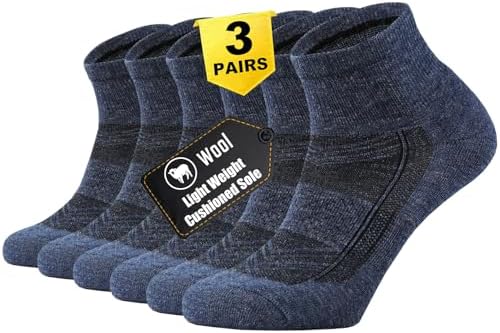
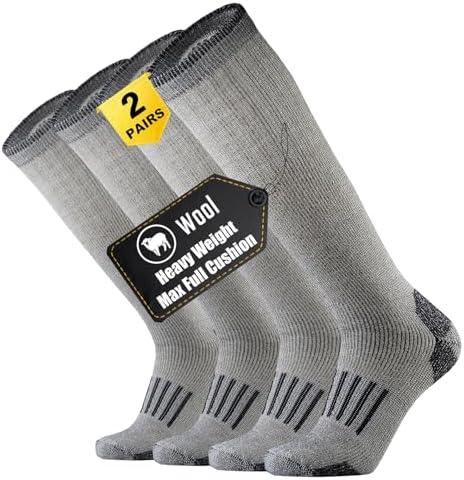
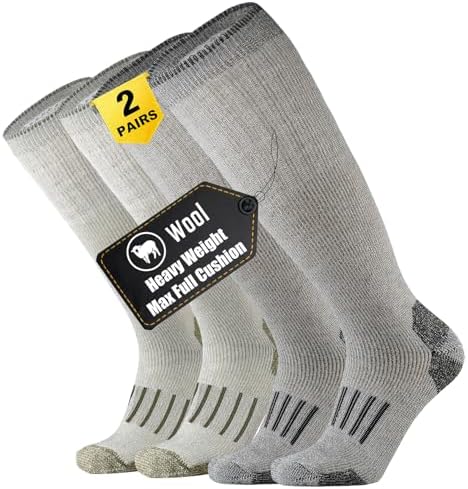
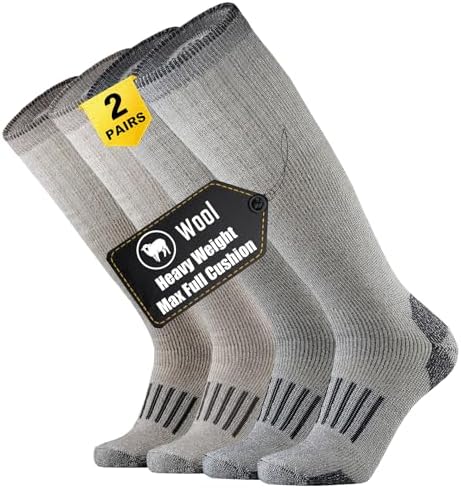
We do not knit merino at crew height at all. A runner or hiker who wants merino must choose between 7 quarter listings and 5 knee-high listings. Anyone who needs a mid calf wool sock will have to look elsewhere.
Our quarter merino sock sits right above the shoe collar to keep low trail footwear from rubbing the ankle. Our knee-high boot sock runs right up under the knee to protect the shin inside tall leather or rubber work boots. You must go shorter or taller.
Reading the yarn on every label
We knit the range in 2 yarns and print which one is on every card. 12 of our listings are merino wool, built strictly for cold boots and freezing shifts. The rest of the line uses our rugged cotton blend for daily wear on hard ground.
Matching the fibre to your work environment keeps your boots comfortable across the year. Pick wool only when the temperature drops low enough to demand it, and leave the cotton pairs in your drawer for routine indoor work on dry floors.
Choosing between our wool and cotton blends comes down to the temperature of your workspace, the height of your boot, and how you wash your gear.